
Why allergy season starts earlier every year
Pollen calendars that once began in April now creep into late winter. Here is what is shifting, and how to stay ahead of the first exposure.
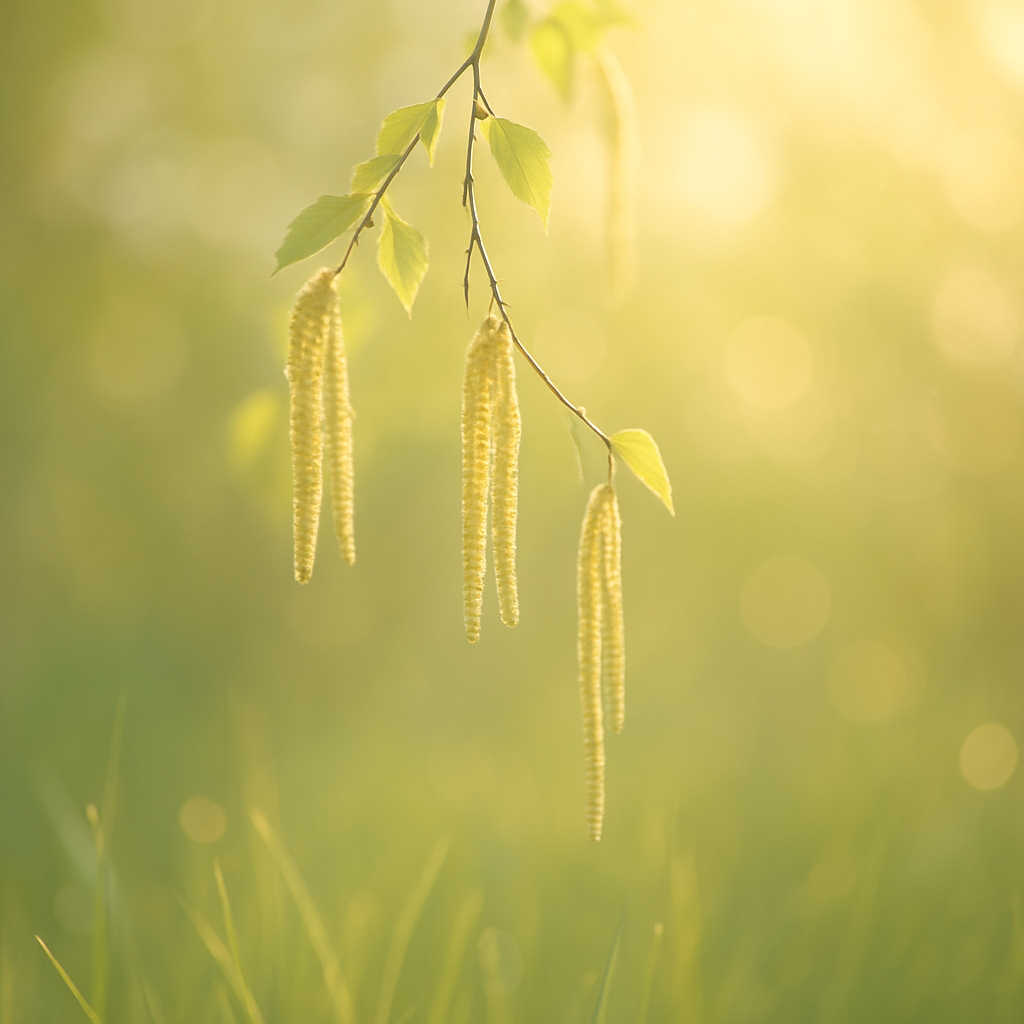
If it feels like your sneezing starts sooner than it used to, you are not imagining it. Across much of the northern hemisphere, the pollen season now opens weeks earlier and runs longer than it did a generation ago. For people who are sensitive to tree, grass, or weed pollen, that means more days of exposure and a smaller window to prepare.
A longer runway for pollen
Milder winters and earlier springs give plants a head start. Trees such as birch, hazel, and alder can release pollen during brief warm spells in February, long before most people associate the air with allergy risk. Once grasses follow in late spring and weeds extend into autumn, the result is a season that can stretch across the better part of the year.
Warmer air also holds more pollen, and on windy days those grains travel far from where they were released. You do not need to live beside a meadow to feel the effect; urban centres regularly record high counts carried in from surrounding regions.
Why the first exposure matters most
The immune system tends to react more strongly once it has been primed. Early, repeated contact with an allergen can leave the nasal lining more sensitive for the weeks that follow, so the days before symptoms appear are some of the most valuable. Acting before that first heavy exposure is often easier than calming an already-irritated nose.
- Check a local pollen forecast at the start of each week, not just when symptoms flare.
- Keep windows closed on dry, breezy mornings when counts peak.
- Rinse pollen from hair and change clothes after long periods outdoors.
- Create a physical barrier in the nose before you head out, rather than waiting for symptoms.
The goal is to meet the season before it meets you. Protection is far more comfortable than recovery.
Building a simple routine
A dependable routine does not need to be complicated. A drug-free barrier spray such as Bentrio can be applied before you leave the house, forming a thin gel layer that helps trap inhaled particles at the surface of the nasal lining. Reapplied through the day, it gives you a way to stay ahead of exposure without reaching for medication at the first symptom.
Pollen seasons may keep arriving earlier, but a little preparation goes a long way. Knowing your triggers, watching the forecast, and protecting your nose before exposure can turn an unpredictable spring into something far more manageable.
This article is for general information and does not constitute medical advice. Bentrio is a Class IIa medical device. Always read the instructions for use, and speak to a healthcare professional about your individual circumstances.